Wake surfing is a method of extracting energy from the trailing wing tip vortices of another airplane [1]. The energy is extracted by placing the wing tip of the trailing airplane in the upwash portion of the vortex. The vortex upwash reduces the lift-induced drag of the wing. The trailing aircraft must be flown within a very narrow section of the flow field where the upwind velocity leads to the best aerodynamic performance, which translates to fuel savings, increased range and endurance. This position that extracts energy within the flow field is commonly called the “sweet spot” and is typically slightly outside of the wake vortex core.
The goal of this project is to uncover the fundamental effect of dynamic motions of the leading wing on the aerodynamic loads and the associated flow field over trailing 3-D wings. This aims to provide understanding for future air vehicles to take advantage of dynamic wake surfing and decrease the lift-induced drag and thus increase the lift-to-drag ratio
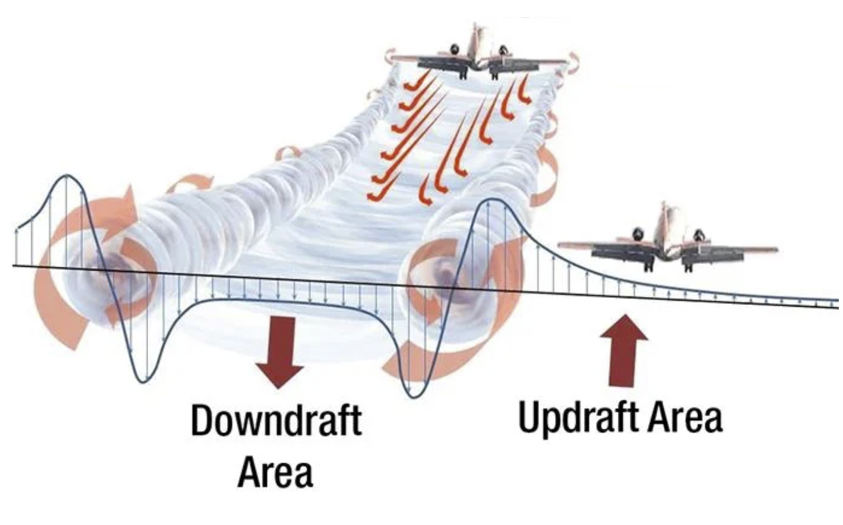
Figure 1: Wake Surfing Region of Interest.
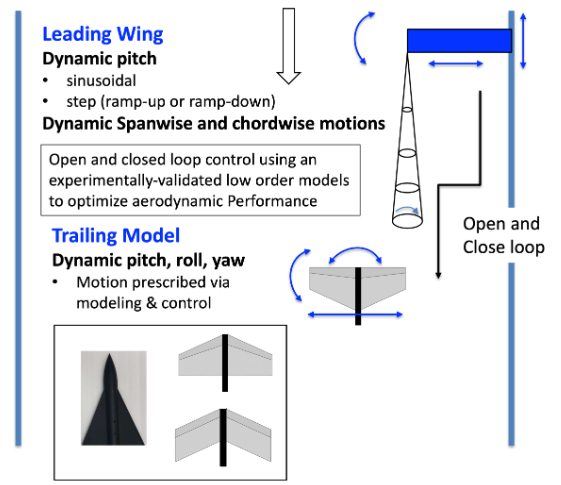
Figure 2: Key Dynamical and Physical Effects in Unsteady Wake Surfing.
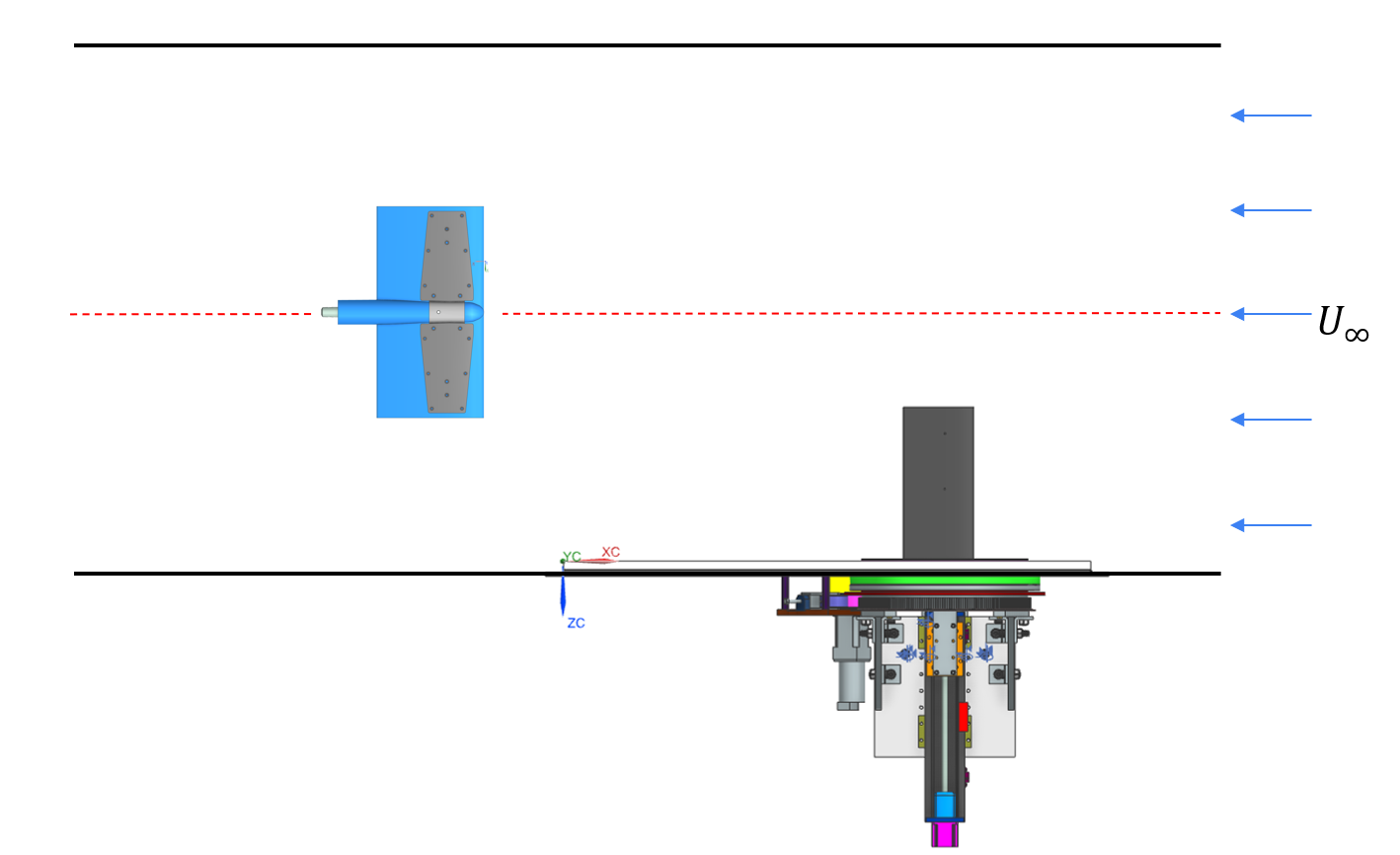
Figure 3: Subsonic Tunnel Experimental Setup for Dynamic Motion
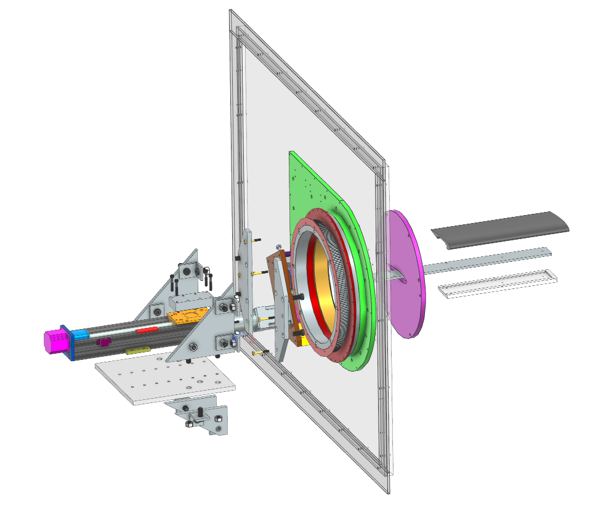
Figure 4: Dynamic Leading Wing Experimental Setup for generating unsteady tip Vortex.
References
[1] C. Wieselsberger. Contribution to the explanation of angled flight patterns of some migratory birds. Magazine for Flight Engineering and Motorized Aeronautics, 5(15), 1914.
[2] G. Warwick. Airbus and boeing working on next steps for fuel savings wake surfing. Aviation Week, 2020.